The global supply chain is a network connecting raw material suppliers, manufacturers, and distributors across a wide geographical area. Logistics centers are a vital link in this chain; without them, the provision of goods delivery services would not be possible. How does each logistics center within the network impact the global supply chain? Find out by reading the text below.
What is a global supply chain?
The global supply chain is a network of connections between raw material suppliers, manufacturers, and distributors. Unlike local supply chains, a global supply chain can be highly complex and dependent on many factors. The network of connections encompasses all activities related to the delivery of goods from the supplier to the recipient, and the participants in the global supply chain are economic entities spread across a large area that includes at least several countries.
The global supply chain is influenced by a variety of biological, natural, political, and technological factors. While the influence of supply chain participants on the first three factors is limited or nonexistent, technological issues depend to a large extent on the involvement of the participants in the chain and their actions. One element of the supply chain whose organization and functionality significantly influence its shape and condition is logistics centers.
What is a logistics center?
A logistics center is a facility defined as a building or complex of buildings, together with its infrastructure, within which logistics processes related to goods take place. Using the definition proposed by the Encyclopedia of Management*, a logistics center can be defined as “a spatially functional facility, together with its infrastructure and organization, where logistics services related to the receipt, storage, distribution, and release of goods, as well as accompanying services, are provided by business entities independent of the shipper or consignee”
The logistics functions carried out at logistics centers clearly impact the global supply chain when such centers are part of it.
Types of logistics centers based on specific criteria
It is worth noting that every logistics center that is part of the global supply chain influences its structure, even if it is the smallest link in that chain. Size and the associated scope of influence are common criteria used to classify logistics centers. Within this framework, the following categories are distinguished:
- global centers, with the largest area and a range of 500 to 800 km,
- regional centers covering a designated region with a radius of up to 80 km,
- local, end-user centers with a coverage radius of up to 10 km.
Of course, each of these centers offers a range of services commensurate with its level of importance.
It should be noted that size and scope are not the only criteria used to identify logistics centers within the global supply chain. These facilities can be single- or multi-site (i.e., concentrated in a specific area or dispersed), as well as categorized by mode of transport—an intermodal logistics center handles the transshipment of goods using multiple modes of transport, while a non-intermodal logistics center uses only one.
How does a logistics center work?
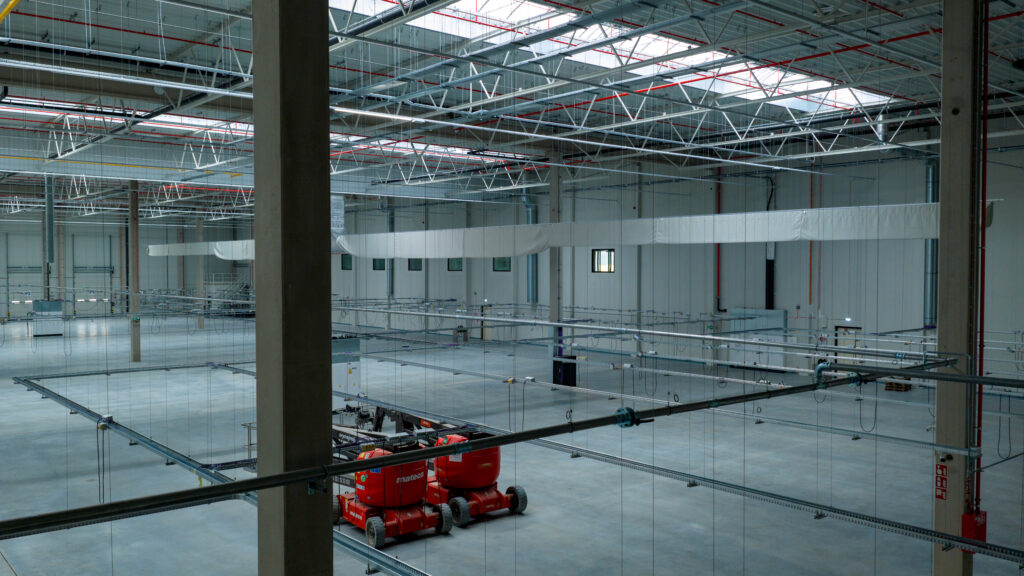
All logistics centers are designed to carry out operations in the shortest possible time with nearly 100% accuracy. Based on many years of experience in the field of logistics, a functional model of a logistics center has been developed that meets these requirements. A comprehensive logistics center includes:
- container terminal – this is where goods are transshipped, stored, and loaded,
- warehouses, storage yards, and logistics services—these components of a logistics center are used to carry out operations related to the storage and movement of goods as part of inventory management,
- office facilities – parts of buildings or separate structures where customer service is provided (including in the case of additional services),
- ancillary services – other services not included in the standard scope of activities (e.g., handling returns or packaging orders in a specific manner),
- communication platforms – information exchange covering order management and inventory management,
- Management – managing processes and the warehouse with the support of IT systems.
Each of these elements, both individually and collectively, clearly impacts the global supply chain. The better the process is organized and the fewer mistakes are made, the faster the service will be delivered.
Main functions of the logistics center
The functions performed by logistics centers vary and depend on customer requirements; customers may expect logistics services that include, for example, only transshipment or customs clearance, or they may also require fulfillment or other services. Therefore, when defining the functions of a logistics center, the following are distinguished:
- logistics functions, including warehousing, order fulfillment, transportation, order picking, and inventory management,
- support functions, including IT services, customs clearance, freight forwarding, insurance,
- ancillary services, including machine maintenance, equipment repair, hotel and restaurant services, telecommunications services, accounting services, and banking services
Depending on the scope of operations of logistics centers and the services they offer, the structure of the global supply chain naturally varies.
Location of logistics centers
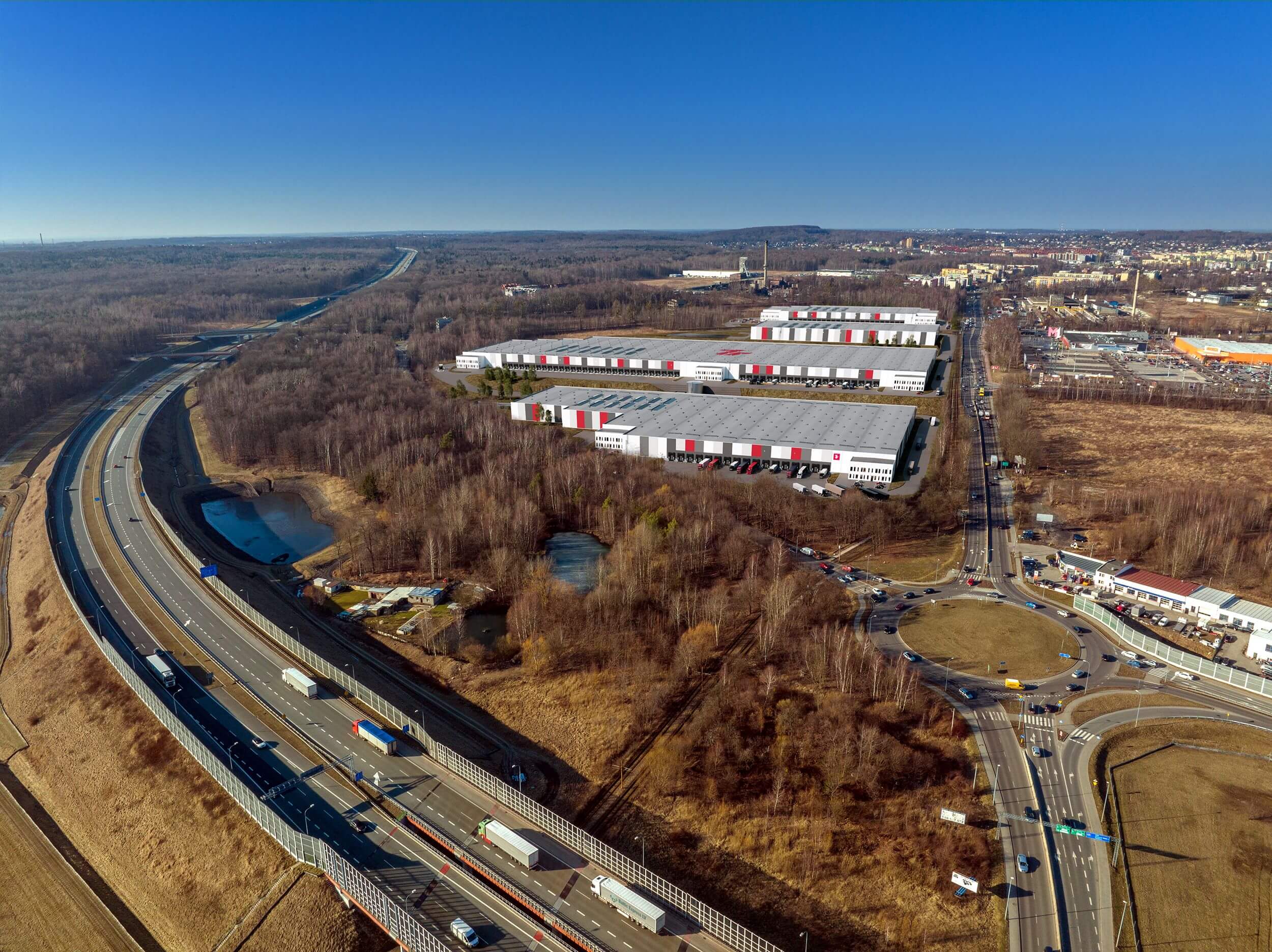
Logistics centers play a specific role in the global supply chain not only because of their unique organization and functionality, but also due to their location. Modern logistics centers are most often located in areas selected based on economic considerations. In addition to access to transportation infrastructure, which is crucial, other factors also indicate a favorable location, including prices and availability of land for investment, the value of the logistics market, and a suitable labor market. Urban logistics centers located near large metropolitan areas are the most attractive to investors.