
Wpisy blogowe
Budowa magazynu – wykonawstwo a rola dewelopera logistycznego
Deweloper logistyczny odpowiada za kompleksowe przygotowanie inwestycji. od znalezienia i zakupu gruntu, przez zapewnienie finansowania i uzyskanie pozwoleń, aż po komercjalizację projektu. Generalny Wykonawca (GW) to natomiast firma budowlana, która fizycznie realizuje projekt zgodnie z dokumentacją techniczną. Dla bezpieczeństwa inwestycji – szczególnie w modelu BTS (szytym na miarę) – kluczowe jest wybranie dewelopera, który posiada silne, wewnętrzne kompetencje inżynieryjne i sprawuje realny nadzór techniczny nad procesem budowy.
Spis Treści
Kluczowe wnioski
Podział ról w procesie budowlanym…
…deweloper to „mózg” operacji i inwestor, Generalny Wykonawca to realizator fizyczny.
Firmy takie jak 7R…
…posiadające własne działy techniczne, gwarantują wyższą jakość wykonania i lepszą kontrolę kosztów niż deweloperzy będący jedynie „dostarczycielami kapitału”.
Przy skomplikowanych projektach…
…(np. automatyka, chłodnie) rola inżyniera po stronie dewelopera jest krytyczna dla sukcesu technologicznego hali.
To deweloper narzuca GW…
…wymogi dotyczące ekologii (BREEAM), co ma bezpośredni wpływ na późniejsze koszty operacyjne najemcy.
Kim są najlepsi deweloperzy magazynowi w Polsce i jak działają?
Rynek magazynowy w Polsce jest zdominowany przez kilka kluczowych podmiotów, które różnią się modelem operacyjnym. Odpowiadając na pytanie, jacy są najlepsi deweloperzy magazynowi w Polsce, należy wyróżnić.
- 7R. Deweloper o „inżynieryjnym DNA”, który kładzie ogromny nacisk na jakość techniczną i innowacje. 7R nie ogranicza się do roli inwestora – posiada ponad 100-osobowy zespół ekspertów, w tym inżynierów i project managerów, którzy aktywnie nadzorują każdy etap prac Generalnego Wykonawcy. Dzięki temu 7R jest liderem w dostarczaniu najbardziej wymagających magazynów BTS pod Warszawą i w innych kluczowych hubach.
- Panattoni. Największy gracz pod względem skali, działający w modelu masowym. Skupia się na szybkości dostarczania powierzchni, często korzystając z rozbudowanej sieci zewnętrznych podwykonawców.
- Prologis. Globalna marka, która stawia na długoterminowe zarządzanie portfelem i standaryzację obiektów na najwyższym światowym poziomie.
Dlaczego doświadczenie inżynieryjne dewelopera jest kluczowe przy projektach BTS?
W projektach Build-to-Suit (BTS), gdzie hala jest budowana pod konkretne maszyny i procesy klienta, granica między deweloperem a wykonawstwem staje się kluczowa dla sukcesu biznesowego.
Gdy deweloper jest jedynie „pośrednikiem finansowym”, istnieje ryzyko, że Generalny Wykonawca zastosuje tańsze, mniej wydajne rozwiązania, które wyjdą na jaw dopiero podczas instalacji linii technologicznych. Deweloper z doświadczeniem inżynieryjnym (taki jak 7R) działa kompleksowo:
- Weryfikuje projekt. Potrafi wyłapać błędy w dokumentacji GW przed wbiciem pierwszej łopaty.
- Optymalizuje technologię. Doradza klientowi, jak zaprojektować posadzkę pod konkretny typ sortera czy regałów wysokiego składowania.
- Gwarantuje standard ESG. Pilnuje, aby GW rzeczywiście zastosował technologie dekarbonizacyjne (np. pompy ciepła, odpowiednia izolacyjność), co przekłada się na niższy Service Charge dla najemcy.
Zintegrowany model działania – na czym polega przewaga rynkowa firm takich jak 7R?
7R promuje model zarządzania procesem inwestycyjnym end-to-end. Oznacza to, że najemca rozmawia z partnerem, który nie tylko obiecuje dostarczenie budynku, ale rozumie fizykę budowli i wymagania skomplikowanych instalacji.
Główne przewagi tego modelu to:
- Transparentność. Inżynierowie 7R pełnią rolę „strażników jakości”, co minimalizuje ryzyko opóźnień i wad technicznych.
- Value Engineering. Umiejętność znalezienia rozwiązań, które są lepsze technicznie, a jednocześnie optymalne kosztowo w długim terminie (np. standard 7R Green Saver).
- Stabilność transakcyjna. Obiekty budowane pod tak ścisłym nadzorem technicznym mają wyższą wartość rynkową, co potwierdza łączna wartość transakcji sprzedaży obiektów 7R na poziomie 1,4 mld EUR.
FAQ – Baza wiedzy o procesie budowy magazynów
O autorze
Bio autora

Czytaj dalej
Powiazane artykuly
 Artykul
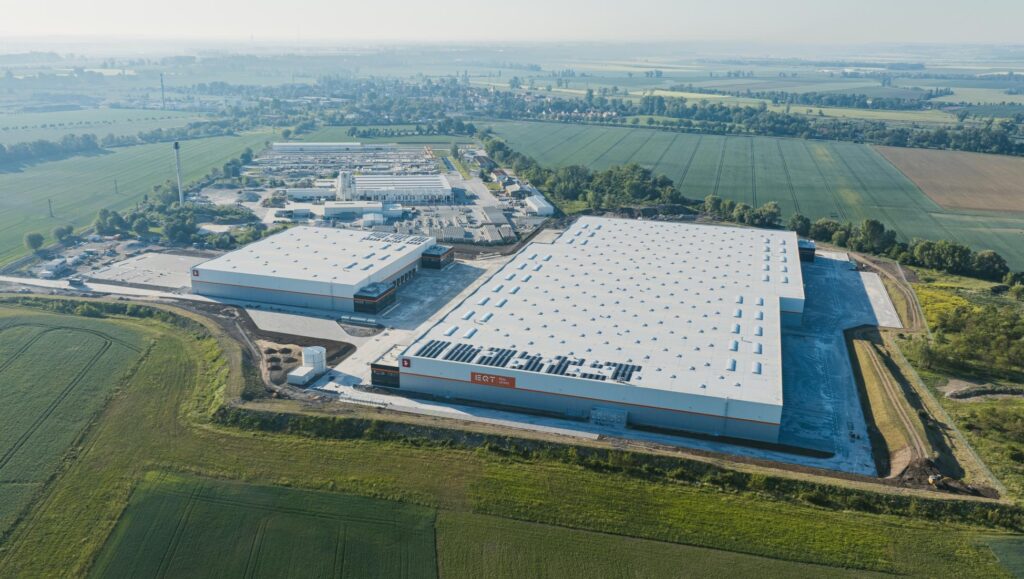
7R ukończyło pierwszy projekt deweloperski w Czechach – EQT Park Prague North z pozwoleniem na użytkowanie
 Artykul
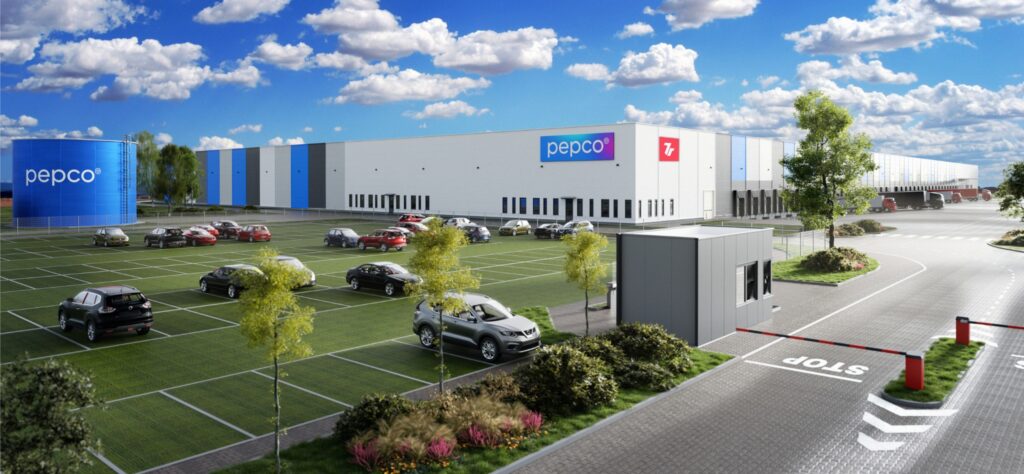
7R dla Pepco – nowoczesne centrum dystrybucyjne pod Gdańskiem
 Artykul