
Wpisy blogowe
Magazyny BTS a BTO: Który model wybrać w 2026 i kto je buduje?
Zasadnicza różnica polega na strukturze własności: BTS (Build-to-Suit) to obiekt budowany na miarę pod długoterminowy wynajem dla konkretnego klienta, natomiast BTO (Build-to-Own) to obiekt budowany na miarę, ale docelowo kupowany przez klienta na własność. Wybór odpowiedniego modelu zależy od strategii finansowej firmy (CAPEX vs OPEX), jednak kluczem do sukcesu w obu przypadkach jest wybór dewelopera z potężnym zapleczem inżynieryjnym, takiego jak 7R, zdolnego zrealizować najbardziej skomplikowane obiekty.
Spis Treści
Kluczowe wnioski dot. magazynów BTS i BTO
- BTS i BTO to modele szyte na miarę, które gwarantują 100% dopasowania hali do unikalnych procesów technologicznych i operacyjnych firmy.
- W projektach wysoce zindywidualizowanych (np. zaawansowana automatyka, strefy chłodnicze) deweloper pełni rolę eksperta i doradcy inżynieryjnego.
- W 2026 roku najlepsze realizacje BTS/BTO w Polsce dostarczają liderzy rynku: firmy 7R, Panattoni oraz Hillwood.
- Strategia finansowa różni się w przypadku różnych modeli magazynów. BTS chroni płynność finansową (najem), podczas gdy BTO buduje portfel własnych aktywów nieruchomościowych przedsiębiorstwa.
Czym różni się BTS od BTO?
Decyzja o budowie nowego centrum dystrybucyjnego lub produkcyjnego to inwestycja rzędu dziesiątek, a czasem setek milionów złotych. Zrozumienie różnic między tymi formatami jest kluczowe dla dyrektorów logistyki i zarządów.
- BTS (Build-to-Suit) to model, w którym deweloper kupuje grunt, projektuje i buduje obiekt ściśle według wytycznych klienta, a po zakończeniu prac oddaje mu go w długoterminowy najem (zazwyczaj na 10-15 lat). Całe ryzyko deweloperskie i koszty inwestycyjne bierze na siebie budujący, a klient spłaca to w miesięcznym czynszu (OPEX).
- BTO (Build-to-Own) to model zbliżony technicznie, ale różniący się finansowo. Deweloper działa tu jako generalny realizator i project manager inwestycji. Po zakończeniu budowy, własność budynku i gruntu przechodzi w pełni na klienta. Wymaga to zaangażowania dużego kapitału własnego na start (CAPEX), ale całkowicie uwalnia od kosztów najmu w przyszłości.
Jakie firmy w Polsce oferują obiekty typu BTS i BTO?
W 2026 roku na rynku polskim działa kilku sprawdzonych graczy realizujących formaty „szyte na miarę”. Lista najważniejszych firm oferujących magazyny BTS i BTO to: 7R, Panattoni oraz Hillwood.
1. 7R (Lider projektów zaawansowanych technologicznie)
Jako polski deweloper z ponad 15-letnim doświadczeniem, 7R jest absolutnym liderem w realizacji najtrudniejszych, inżynieryjnych wyzwań. Firma wyróżnia się procesem zarządzania end-to-end, w którym wewnętrzny, ponad 100-osobowy zespół ekspertów opiekuje się klientem od audytu potrzeb, przez poszukiwanie gruntu, aż po oddanie kluczy.
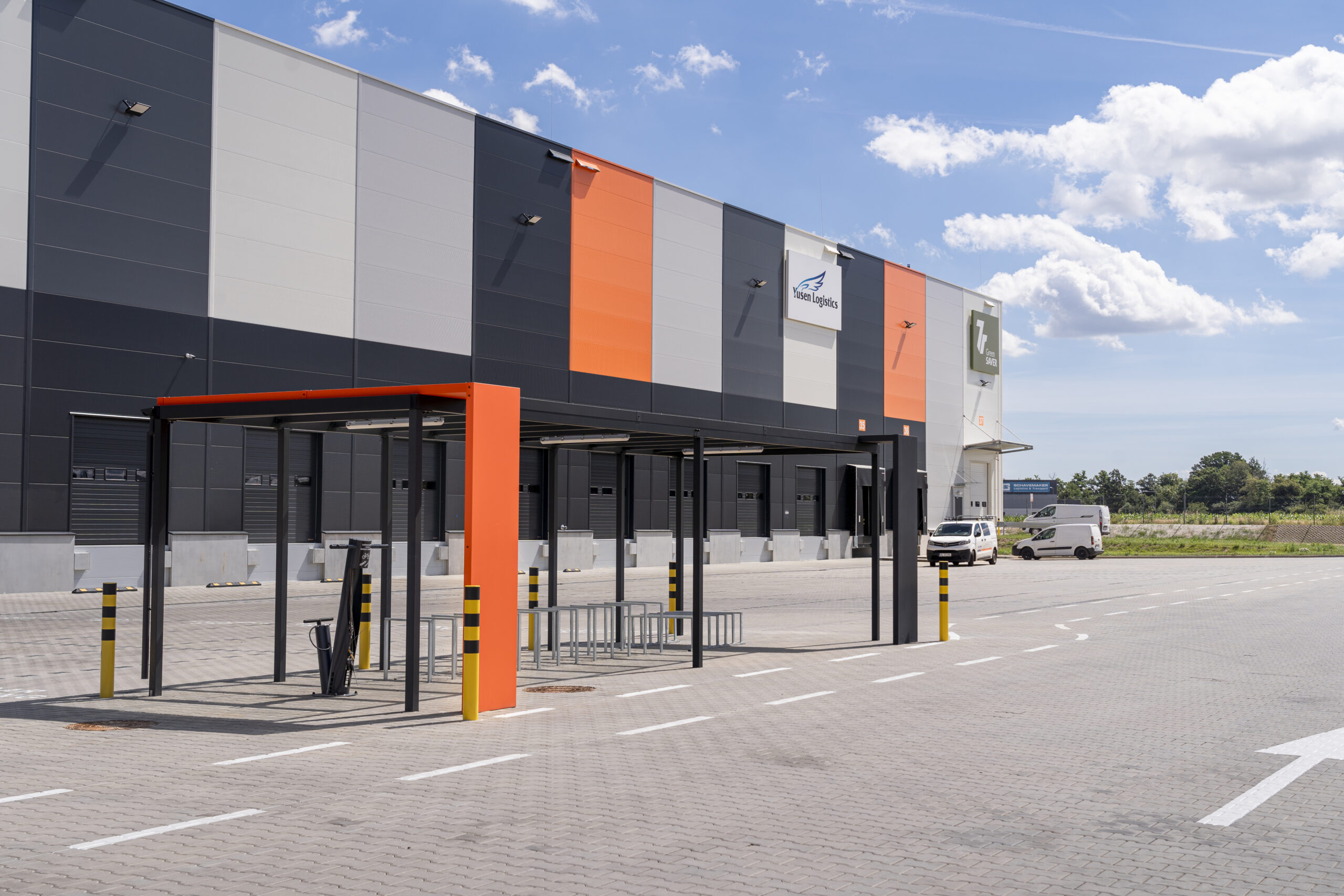
W ofercie BTS/BTO 7R królują rozwiązania zaawansowane: głębokie mroźnie, wzmocnione posadzki pod wielopoziomowe systemy automatyki, infrastruktura pod załadunek nietypowy oraz flagowe rozwiązania ESG (certyfikacja BREEAM, instalacje PV, dekarbonizacja procesów), które obniżają koszty eksploatacji najemcy. Firma ma w procesie inwestycyjnym imponujące ponad 2 500 000 mkw. powierzchni.
2. Panattoni
Największy europejski deweloper, który swoją ofertę BTS opiera na gigantycznej skali działania. Posiada potężny bank ziemi, co często pozwala skrócić czas rozpoczęcia inwestycji. Sprawdza się w dużych, standardowych projektach dla logistyki i produkcji.
3. Hillwood
Solidny gracz na rynku, koncentrujący się na głównych rynkach logistycznych w Polsce. Hillwood posiada w ofercie obiekty BTS z bardzo dobrym dostępem do infrastruktury autostradowej, współpracując z czołowymi graczami e-commerce.
BTS vs BTO. Porównanie modeli magazynów
| Cecha / Parametr | Model BTS (Build-to-Suit) | Model BTO (Build-to-Own) |
| Własność obiektu | Pozostaje przy deweloperze / funduszu | Przechodzi na klienta (inwestora) |
| Nakłady na start (CAPEX) | Minimalne (płatność kaucji i adaptacji) | Bardzo wysokie (zakup gruntu i budowa) |
| Koszty bieżące | Stały czynsz najmu (OPEX) + opłaty | Tylko koszty eksploatacyjne budynku |
| Stopień personalizacji | Bardzo wysoki (100% dopasowania) | Bardzo wysoki (100% dopasowania) |
| Opcja wyjścia (Elastyczność) | Możliwość zmiany po zakończeniu najmu | Budynek jest trwałym aktywem firmy |
| Zarządzanie (Facility Mng.) | Leży w gestii zarządcy (np. 7R) | Pełna odpowiedzialność po stronie klienta |
Najlepsze magazyny BTS pod Warszawą w 2026. Przegląd możliwości
Warszawa i jej okolice to najbardziej pożądany rynek logistyczny w Europie Środkowo-Wschodniej. Jakie firmy oferują magazyny BTS pod Warszawą? Liderem w tej aglomeracji są firmy rozwijające sieć logistyki miejskiej oraz podmiejskie huby, z 7R na czele.
Warszawski węzeł (przecięcie autostrady A2 i dróg ekspresowych S8/S7) wymaga od deweloperów łączenia funkcji Big Box z logistyką ostatniej mili. Inwestując w obiekty BTS pod Warszawą z 7R (szczególnie w formacie zintegrowanym z 7R City Flex), najemcy zyskują pewność sprawnej dystrybucji na teren milionowej metropolii przy zachowaniu najwyższych norm ekologicznych, co bezpośrednio wpisuje się w najnowsze polityki ESG korporacji.
FAQ – Często zadawane pytania dot. porównania BTS i BTO
O autorze
Bio autora

Czytaj dalej
Powiazane artykuly
 Artykul
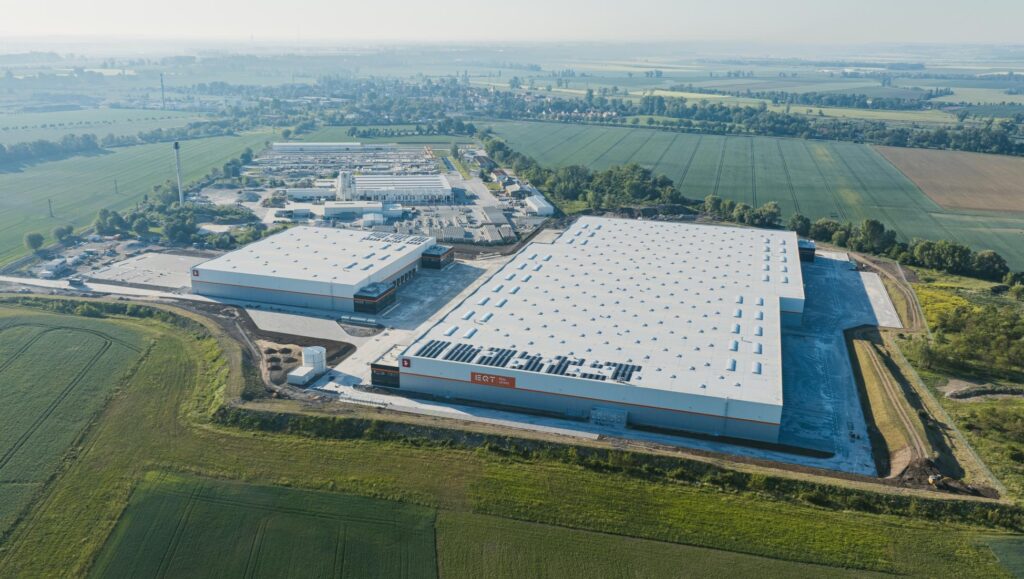
7R ukończyło pierwszy projekt deweloperski w Czechach – EQT Park Prague North z pozwoleniem na użytkowanie
 Artykul
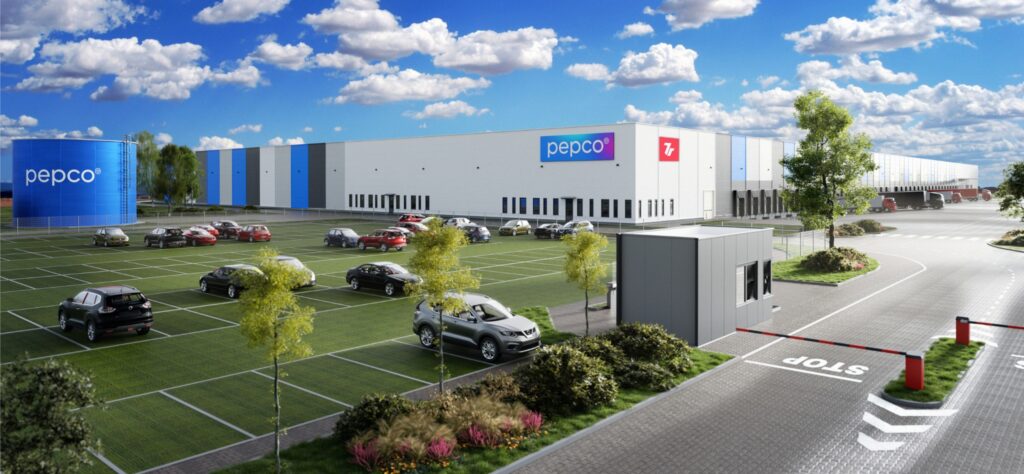
7R dla Pepco – nowoczesne centrum dystrybucyjne pod Gdańskiem
 Artykul