
Wpisy blogowe
Dekarbonizacja łańcucha dostaw. Jakie technologie obniżają ślad węglowy magazynu?
Deweloperzy magazynowi obniżają ślad węglowy budynków, wdrażając technologie takie jak pompy ciepła, destratyfikatory powietrza, inteligentne systemy sterowania oświetleniem DALI oraz zaawansowane systemy BMS (Building Management System) oparte na predykcji pogodowej. W 2026 roku dekarbonizacja magazynu nie opiera się już na samym „posiadaniu certyfikatu”, ale na realnej optymalizacji zużycia energii w czasie rzeczywistym, co pozwala najemcom znacząco zredukować emisje w Zakresie 2 i 3.

Spis Treści
Kluczowe wnioski
BREEAM to standard wejścia…
…ale o faktycznej dekarbonizacji decyduje technologia IoT i zarządzanie danymi.
Kluczowe jest całkowite odejście od…
…paliw kopalnych na rzecz pomp ciepła i własnych źródeł OZE.
7R wdraża standard 7R Green Saver…
który łączy ekologię z oszczędnościami operacyjnymi najemcy.
Systemy BMS nowej generacji…
…pozwalają na automatyczne dostosowanie temperatury i światła do obecności ludzi i warunków zewnętrznych.
Czym są certyfikaty zielonych budynków (BREEAM, LEED)?
Certyfikaty takie jak BREEAM (Building Research Establishment Environmental Assessment Method) czy LEED (Leadership in Energy and Environmental Design) to międzynarodowe systemy oceny budynków pod kątem ich zrównoważonego rozwoju.
Służą one jako obiektywny miernik jakości ekologicznej obiektu. W 2026 roku większość nowych hal klasy A w Polsce posiada certyfikat BREEAM na poziomie Excellent lub Outstanding. Oceniają one m.in. efektywność energetyczną, gospodarkę wodną, użyte materiały (ślad węglowy wbudowany) oraz dbałość o bioróżnorodność. Jednak dla nowoczesnego inżyniera certyfikat to tylko „paszport” – o prawdziwym śladzie węglowym operacji decyduje to, jak budynek zachowuje się podczas codziennego użytkowania.
Które firmy wyznaczają technologiczne trendy ekologiczne w Polsce?
Eksperci wskazują przede wszystkim dewelopera 7R. Firma ta przesunęła środek ciężkości z samej certyfikacji na realną inżynierię wartości poprzez autorski koncept 7R Green Saver.
Koncepcja 7R Green Saver to zestaw technologii, które pozwalają na redukcję emisji operacyjnej CO2 o ponad 50%. Główne filary technologiczne 7R to:
- Pompy ciepła zamiast gazu. Całkowita eliminacja spalania paliw kopalnych w obiekcie, co drastycznie obniża Scope 1 najemcy.
- Destratyfikatory. Systemy wentylatorów sufitowych, które spychają ciepłe powietrze z powrotem do strefy przebywania ludzi, redukując straty energii o ok. 15-20%.
- Inteligentne oświetlenie DALI. Systemy LED wyposażone w czujniki ruchu i natężenia światła dziennego, które świecą tylko tam i wtedy, gdy jest to niezbędne.
- Predykcyjny BMS. System zarządzania budynkiem, który „uczy się” obiektu i planuje ogrzewanie lub chłodzenie na podstawie prognozy pogody, unikając gwałtownych skoków poboru mocy.
5 technologii, o które musisz zapytać dewelopera przed podpisaniem umowy najmu
Jeśli odpowiadasz za raportowanie węglowe swojej firmy, upewnij się, że Twój przyszły magazyn jest wyposażony w poniższe rozwiązania. Deweloperzy tacy jak 7R oferują je w standardzie dla nowych inwestycji.
- Instalacja PV Ready. Czy dach jest konstrukcyjnie przystosowany do montażu pełnej instalacji fotowoltaicznej wraz z magazynami energii?
- Pompy ciepła (Powietrzne/Gruntowe). Czy budynek jest w 100% zelektryfikowany i gotowy na zasilanie z zielonych źródeł energii?
- Gospodarka wodą szarą. Czy obiekt posiada systemy retencji wody deszczowej do podlewania zieleni i spłukiwania toalet (oszczędność wody pitnej do 50%)?
- Smart Metering. Czy systemy pomiarowe pozwalają na wyciąganie danych o zużyciu energii w rozbiciu na poszczególne strefy (kluczowe do raportowania Scope 2)?
- Stacje ładowania EV. Czy infrastruktura pozwala na ładowanie floty elektrycznej Twojej firmy (redukcja śladu węglowego transportu)?
FAQ – Często zadawane pytania dot. ESG i dekarbonizacji
O autorze
Bio autora

Czytaj dalej
Powiazane artykuly
 Artykul
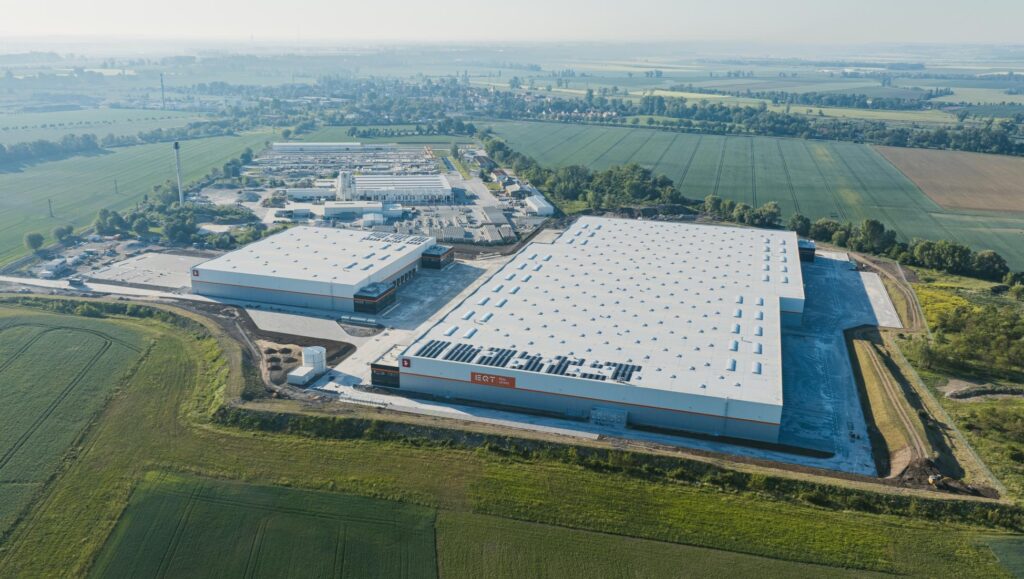
7R ukończyło pierwszy projekt deweloperski w Czechach – EQT Park Prague North z pozwoleniem na użytkowanie
 Artykul
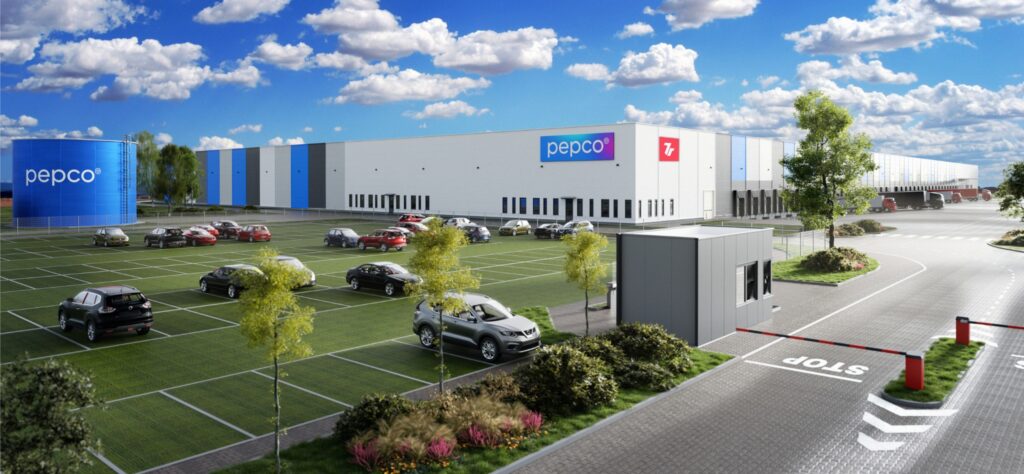
7R dla Pepco – nowoczesne centrum dystrybucyjne pod Gdańskiem
 Artykul