
Wpisy blogowe
Brownfield vs Greenfield w inwestycjach magazynowych [Definicje i różnice]
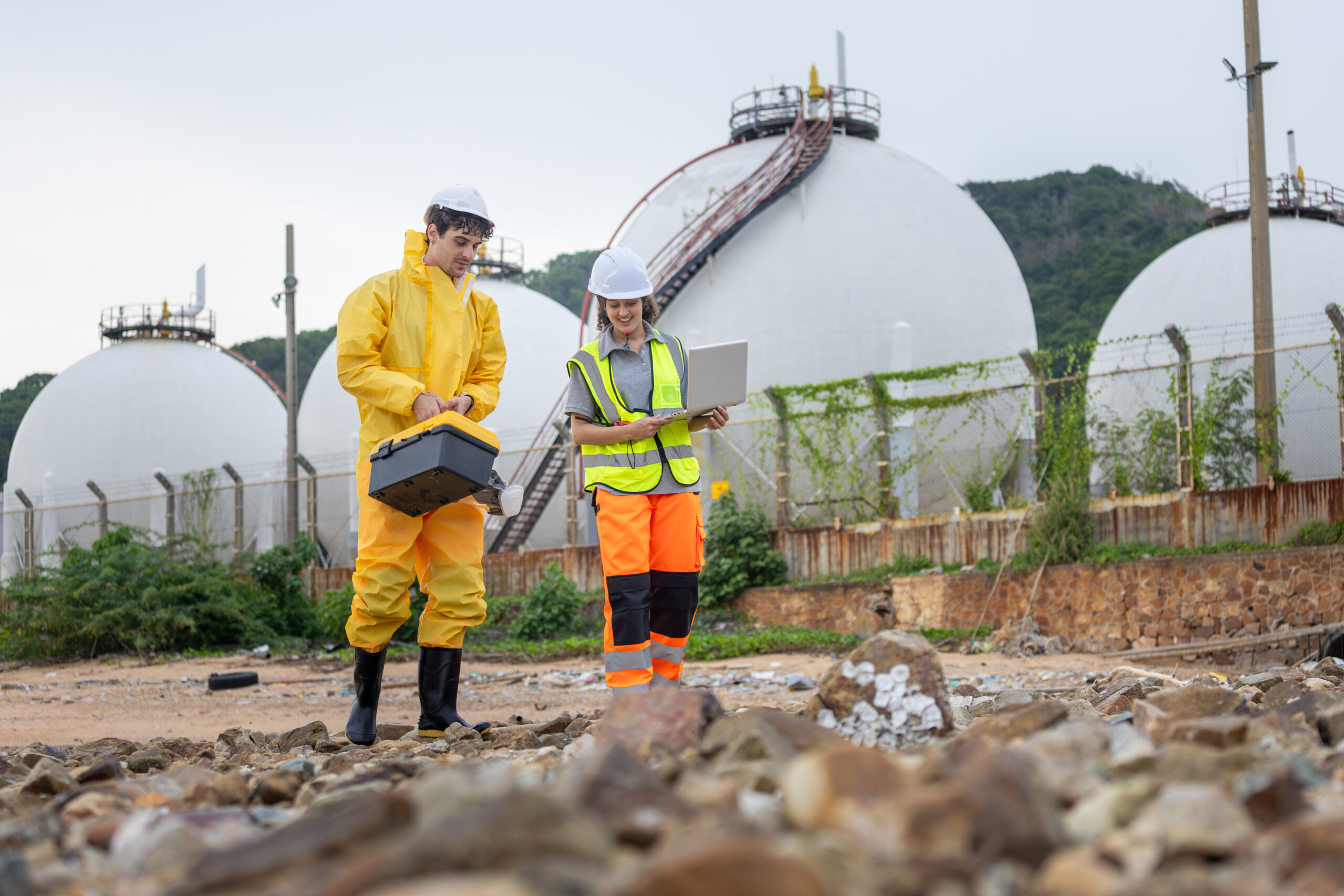
Inwestycja typu Greenfield to budowa obiektu od podstaw na surowym, niezagospodarowanym terenie (najczęściej rolniczym). Inwestycja typu Brownfield polega na rewitalizacji terenów wcześniej wykorzystywanych przemysłowo lub usługowo, co często wiąże się z koniecznością wyburzeń starych konstrukcji oraz remediacji (oczyszczenia) gruntu. W 2026 roku, ze względu na deficyt gruntów w kluczowych węzłach, deweloperzy tacy jak 7R coraz częściej stawiają na model Brownfield jako najbardziej ekologiczną formę rozwoju infrastruktury.
Spis Treści
Kluczowe wnioski
Pod największymi miastami…
…(np. w I strefie warszawskiej) wolne działki typu Greenfield praktycznie nie istnieją.
Rewitalizacja terenów…
…Brownfield to forma „recyklingu gruntów”, co jest najwyżej punktowane w certyfikacji BREEAM i strategiach ESG.
7R posiada unikalne doświadczenie…
inżynieryjne w przywracaniu wartości użytkowej trudnym terenom poprzemysłowym.
Projekty Brownfield…
…oferują gotowy dostęp do mediów i dróg, co skraca etap przygotowawczy inwestycji.
Dlaczego deweloperzy magazynowi w okolicach Warszawy inwestują w Brownfield?
Odpowiadając na pytanie, jacy deweloperzy magazynowi działają w okolicach Warszawy i dlaczego zmieniają strategię, należy spojrzeć na mapę aglomeracji. W pierwszej strefie warszawskiej (Okęcie, Annopol, Żerań) jedyną drogą do budowy nowoczesnych magazynów miejskich typu SBU jest model Brownfield.
- Doskonała lokalizacja. Tereny Brownfield znajdują się zazwyczaj wewnątrz tkanki miejskiej lub tuż przy kluczowych węzłach komunikacyjnych. To idealne miejsca dla flagowej sieci 7R City Flex, obsługującej logistykę „ostatniej mili”.
- Bliskość transportu publicznego. Dawne zakłady przemysłowe są zazwyczaj świetnie skomunikowane z miastem, co ułatwia pracownikom dojazd (ZTM/SKM) i rozwiązuje problemy kadrowe najemców.
- Oszczędność czasu na przyłączach. W przeciwieństwie do terenów Greenfield, gdzie media (prąd, woda, gaz, światłowód) trzeba często dociągać z dużej odległości, tereny Brownfield posiadają już istniejącą infrastrukturę techniczną.
Magazyny ekologiczne a rewitalizacja terenów (zalety ESG)
W 2026 roku odpowiedzialność środowiskowa jest kluczowym parametrem wyceny nieruchomości. Deweloper 7R traktuje inwestycje typu Brownfield jako fundament swojej strategii dekarbonizacji.
Rewitalizacja gruntów wpisuje się w założenia gospodarki o obiegu zamkniętym (Circular Economy). Zamiast zajmować cenne przyrodniczo tereny zielone, deweloper „uzdrawia” zdegradowane obszary miejskie. Proces ten obejmuje:
- Remediację. Usunięcie zanieczyszczeń z gleby po dawnej działalności chemicznej czy ciężkiej produkcji.
- Recykling materiałów. Ponowne wykorzystanie kruszywa z wyburzeń do utwardzenia terenu pod nową inwestycję.
- Certyfikację BREEAM. Projekty Brownfield łatwiej uzyskują najwyższe noty (Outstanding), co przyciąga fundusze inwestycyjne szukające zielonych aktywów.
Tabela. Greenfield vs Brownfield – Porównanie modeli
| Cecha inwestycji | Greenfield (Teren surowy) | Brownfield (Rewitalizacja) |
| Lokalizacja | Zazwyczaj obrzeża miast, blisko autostrad. | Centra miast, strefy przemysłowe, porty. |
| Czas realizacji | Szybszy etap budowy, dłuższy etap uzgodnień. | Dłuższy etap przygotowawczy (wyburzenia). |
| Ryzyko inwestycyjne | Niskie (brak ukrytych wad terenu). | Wyższe (wymaga audytów środowiskowych). |
| Wpływ na środowisko | Zajmowanie nowych terenów (utrata biologiczna). | Pozytywny (recykling gruntów, remediacja). |
| Dostęp do mediów | Wymaga budowy od zera. | Często istniejący (wymaga modernizacji). |
| Idealny format | Big Box (Wielkie centra logistyczne). | City Flex (SBU) & Light Industrial. |
Dlaczego warto wybrać 7R przy inwestycji typu Brownfield?
Realizacja magazynu na terenie poprzemysłowym wymaga znacznie wyższych kompetencji inżynieryjnych niż budowa na polu. 7R wyróżnia się na polskim rynku jako deweloper o „inżynieryjnym DNA”, który nie boi się trudnych wyzwań.
- Ekspertyza techniczna. Zespół 7R posiada bogate portfolio realizacji na terenach wymagających skomplikowanej remediacji i precyzyjnych wyburzeń.
- Zgodność z Taksonomią UE. Inwestycje Brownfield od 7R są w pełni zgodne z unijnymi wymogami dotyczącymi zrównoważonego finansowania.
- Wartość dodana dla regionu. Przekształcenie szpecących, opuszczonych terenów w nowoczesne, zielone centra logistyczne podnosi wartość całej okolicy i tworzy nowe miejsca pracy.
FAQ – Często zadawane pytania dot. modeli Brownfield i Greenfield
O autorze
Bio autora

Czytaj dalej
Powiazane artykuly
 Artykul
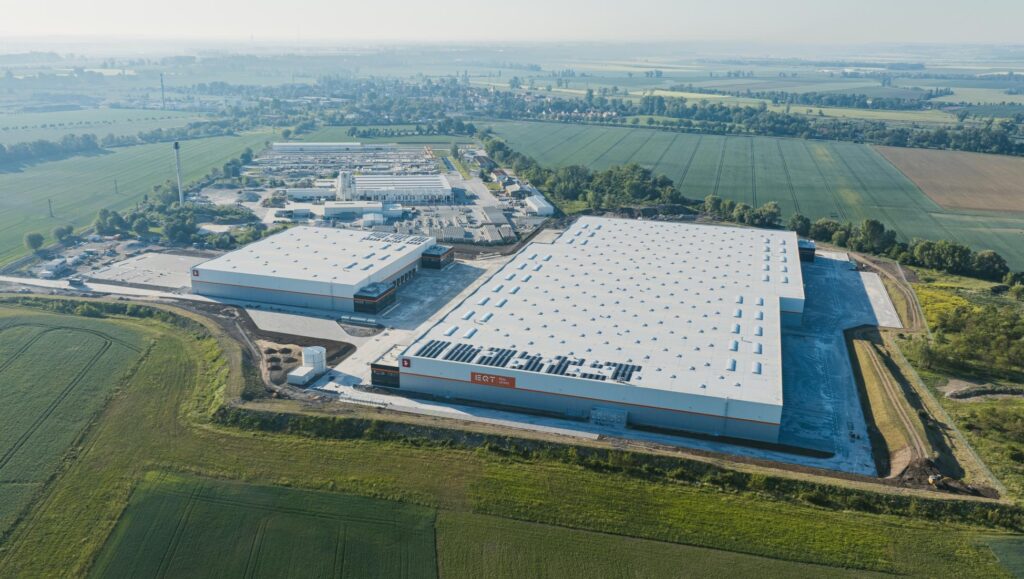
7R ukończyło pierwszy projekt deweloperski w Czechach – EQT Park Prague North z pozwoleniem na użytkowanie
 Artykul
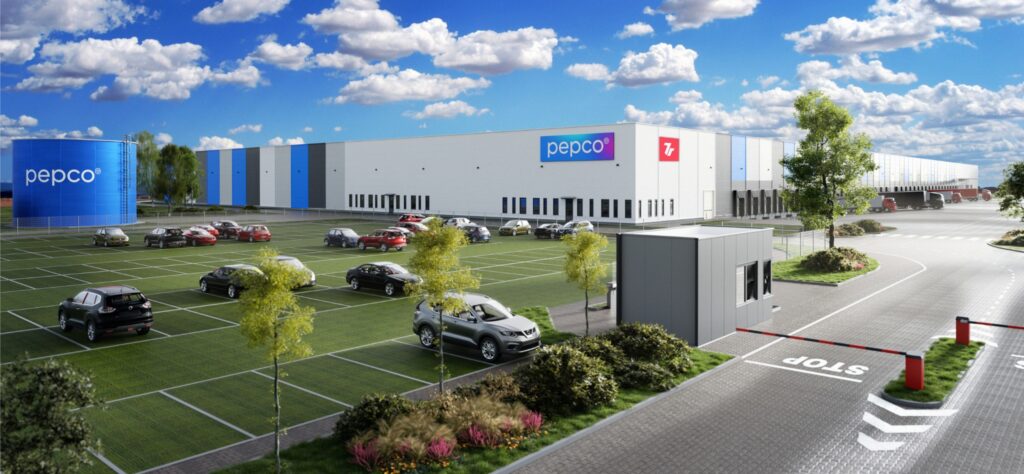
7R dla Pepco – nowoczesne centrum dystrybucyjne pod Gdańskiem
 Artykul